
It would be naive to think one test can measure everything a student knows.
If you are unsure about naive or nieve you are not alone. These two spellings look close enough to cause a quick pause when you are writing an email essay caption or work document.
The correct English spelling is naive. You may also see naïve with two dots over the i. Both forms are accepted in English. The spelling nieve is not the standard English spelling of this word.
The word describes someone who has little experience and is too ready to believe people or situations are simple and safe. It can also describe an idea or approach that lacks experience or careful judgment.
This guide explains the spelling the meaning the pronunciation the origin and the best ways to use the word in everyday English. You will also see common mistakes and simple examples that make the spelling easier to remember.
Quick Definition
Naive is an English adjective that describes someone who lacks experience or judgment and tends to believe things too easily. The spelling naïve is also correct and uses a mark called a diaeresis or dieresis over the i.
Direct Answer
The correct spelling is naive or naïve. Nieve is not the standard English spelling of the adjective.
Comparison Table
| Word or spelling | Meaning | Example sentence | When to use it |
|---|---|---|---|
| naive | Lacking experience or judgment | He was naive about how difficult the job would be. | Use this standard English spelling in most writing. |
| naïve | Same meaning as naive | She was too naïve to see the warning signs. | Use this form when you want to keep the original French style. |
| nieve | Not the standard English spelling of this adjective | Nieve is not correct in this context. | Do not use it as the English spelling of naive. |

Why The Correct Spelling Is Naive
The confusion usually comes from the sound of the word.
When you hear the word pronounced you might not immediately know which vowels belong in the spelling. The pronunciation does not sound exactly like the letters on the page. Cambridge gives the US pronunciation as /naɪˈiːv/. In simple terms it sounds close to nye eve.
That pronunciation can make the spelling feel less obvious than words with a more direct sound to letter pattern.
There is another reason for the confusion. English has many words that contain the letter combination ie. Words such as believe receive and piece can make people expect an ie pattern in unfamiliar words.
But naive does not follow that pattern.
The word has a long history outside English. It entered English from French. Its French form is naïve. The English spelling later developed without always keeping the special mark.
So if you are writing in American English and need the safest everyday spelling simply use naive.
What Does Naive Mean
The basic meaning is simple.
A naive person does not have enough experience to understand how a situation may really work. That person may trust others too quickly or assume that people have good intentions.
For example:
Maria was naive to believe that the stranger would return her lost wallet.
The sentence suggests that Maria trusted the stranger without thinking carefully about the risk.
The word can also describe an idea.
It was a naive plan to expect the project to finish in one day.
Here the word does not describe a person directly. It describes a plan that shows a lack of experience or realistic judgment.
Oxford defines the word as describing a person or action that does not show enough knowledge judgment or experience. It also notes a second use where the word can describe someone who is innocent and simple in a positive sense.
That second meaning matters.
Calling someone naive is not always meant as a harsh insult. Context changes the tone.
A person can be naive because they are young and inexperienced. They can also be naive because they have never had a reason to expect dishonesty from others.
Naive Does Not Always Mean Uninformed
This is one of the most useful points to understand.
Naive does not automatically mean uninformed.
Someone can be intelligent and still be naive about a subject they have never experienced.
Imagine a brilliant student who gets their first job. They may know a great deal about science but very little about office politics. If they believe every promise made by a coworker they may act naively.
Their lack of experience does not mean they lack intelligence.
The same idea applies to money travel relationships business and many other areas of life.
Consider these examples.
He was naive about the cost of buying his first home.
She was naive enough to believe every promise she heard.
This suggests too much trust.
The new employee had a naive view of how the company worked.
The employee had not yet learned the realities of the workplace.
Cambridge explains the word in terms of being too ready to believe people or to trust that their intentions are good. It also connects the word with a lack of life experience.
That is why inexperienced is often a useful synonym.
Still the two words are not identical.
Someone can be inexperienced without being naive. A person might know they have a lot to learn and carefully check everything.
A naive person may not realize how much they do not know.
That small difference is worth remembering.
Naive And Naïve Are Both Correct
You may have noticed the spelling naïve in books newspapers essays and other formal writing.
That spelling is correct.
The two dots over the i are called a diaeresis or dieresis. Oxford explains that this mark can show that a vowel should be pronounced separately. The mark in naïve helps readers see that the vowels are pronounced in separate parts of the word.
In modern English you will often see the word written without the mark.
She was naive about the risks.
You may also see:
She was naïve about the risks.
The meaning is the same.
The plain spelling naive is especially common in American English. It is also perfectly acceptable in professional writing academic writing and everyday communication. Oxford lists both forms.
So you do not need to add the two dots every time you type the word.
If your keyboard makes the character difficult to enter simply writing naive is fine.
Why Nieve Looks Right To Some Writers
The incorrect form nieve probably feels natural because English has many familiar words with ie.
Think about words such as:
- believe
- achieve
- piece
- field
- chief
Those words can create a spelling pattern in your mind.
When people hear a word that ends with an eeve sound they may naturally try an ie combination.
That instinct does not work here.
English spelling contains many words that come from other languages. Those words often keep unusual letter patterns. Their spellings may not follow the patterns learners expect from common English words.
This is one reason memorizing the correct form can be more useful than trying to force the word into a familiar spelling rule.
The safest memory rule is simple.
Naive has ai before the v.
You can picture it as:
- naive
- Not:
- nieve
If you remember that small pattern you can avoid the most common spelling mistake.
How To Pronounce Naive
The word is usually pronounced close to nye eve.
Cambridge gives the US pronunciation as /naɪˈiːv/. Oxford gives the same pronunciation.
You can think of it as two sounds.
- The first part sounds like eye.
- The second part sounds like eve.
Put them together and you get a sound close to nye eve.
Try these examples aloud.
The final sound is a long v sound rather than a hard consonant.
Knowing the pronunciation can also help you recognize the word when someone uses it in conversation.
Where The Word Comes From
The history of this word explains why its spelling looks different from many common English words.
The English adjective came from French naïve. That form comes from the French naïf and can be traced farther back through Old French to the Latin word nativus. The older roots were connected with ideas such as natural native innate and not artificial.
The word entered English in the seventeenth century.
Its earlier meaning was closely linked to being natural simple genuine or unsophisticated. Over time the modern sense developed around innocence lack of experience and a tendency to trust too easily.
That history also explains why the spelling may feel foreign.
English borrowed the word rather than creating it from ordinary English spelling patterns.
This happens all the time.
English contains thousands of words borrowed from French Latin Greek German and many other languages. Their spelling often carries traces of their original language.
So there is no useful English spelling rule that turns nieve into the correct form.
It is simply a word you need to remember.
Examples Of Naive In Everyday Sentences
Seeing the word in natural sentences is one of the best ways to understand it.
Here are examples from common situations.
Everyday Life
I was naive to think the repair would be cheap.
The speaker had an unrealistic expectation because of a lack of experience.
He is still naive about how difficult adult life can be.
The word points to limited life experience.
She was too naive to notice that the offer was suspicious.
Here the person trusted the situation too easily.
Work
It would be naive to expect everyone to agree with the plan.
The sentence describes an unrealistic expectation.
His naive approach caused problems for the team.
His approach lacked practical experience.
I was naive when I thought the project would take only a week.
The speaker later realized that the original estimate was unrealistic.
Money
It was naive to invest all his savings without doing any research.
The sentence suggests poor judgment caused by a lack of knowledge.
She had a naive idea about how much college would cost.
The person underestimated the real expense.
Don’t be naive about online deals that look too good to be true.
The sentence warns the reader not to trust something without checking it.
Relationships
She was naive to believe every promise he made.
The person trusted too easily.
I was young and naive when I made that decision.
The speaker connects the behavior with youth and limited experience.
His naive view of relationships changed after a few difficult experiences.
The word describes an earlier lack of understanding.
School
- The student had a naive idea about how much research the assignment required.
- The student underestimated the work.
- The sentence describes an overly simple assumption.
Business
- The plan sounds promising but it would be naive to ignore the costs.
- The word warns against unrealistic thinking.
- The founder had a naive belief that customers would come without advertising.
- The belief showed a lack of business experience.
These examples show that the word often works with phrases such as naive idea, naive assumption, naive belief, naive approach, and naive view.
Common Mistakes With Naive
The spelling mistake is not the only problem.
People also misuse the meaning.
Mistake One Using Nieve
Incorrect: She was nieve about the situation.
Correct: She was naive about the situation.
The second form is the standard English spelling.
Mistake Two Treating Naive As A Noun
Naive is normally an adjective.
She is naive.
He has a naive view of the situation.
You would not normally say:
She is a naive.
Instead you can say:
She is a naive person.
Or:
he is inexperienced.
There is also a related noun naif but it has a different use and is uncommon in everyday American English.
Mistake Three Assuming Naive Means Innocent Every Time
The word can suggest innocence but it often carries the idea of limited experience or poor judgment.
For example:
She had a naive belief that everyone was honest.
This does not simply mean she was kind.
It suggests that she trusted people more than experience would justify.
Mistake Four Using It As A Synonym For Young
A young person can be naive but age is not the definition.
An older person can also be naive about a subject they do not understand.
For example:
He was naive about investing even though he was an experienced manager.
The person has professional experience but lacks knowledge in that particular area.
Naive Compared With Innocent
Naive and innocent can overlap but they are not always interchangeable.
Innocent often suggests a lack of guilt or wrongdoing. It can also describe someone who is pure or inexperienced.
Naive focuses more strongly on a lack of experience or judgment.
Compare these sentences.
The child was innocent.
This may mean the child had done nothing wrong.
The child was naive.
This suggests the child did not understand how the world worked.
You can also use both words together.
Her innocent and naive attitude made her easy to trust.
The first word describes her lack of guilt or harmful intent. The second describes her lack of experience.
Cambridge lists innocent and unsophisticated among related words. It also lists gullible credulous and unsuspecting for the sense involving too much trust.
Naive Compared With Gullible
These words are close but still have a useful difference.
A gullible person is easy to trick or deceive.
A naive person lacks experience and may therefore believe things too easily.
For example:
He was gullible and believed the fake story immediately.
The focus is on being easily fooled.
He was naive about online scams.
The focus is on a lack of knowledge and experience.
A person can be naive without being gullible.
They might simply have an overly simple view of a difficult situation.
Naive Compared With Inexperienced
These words are also related.
Inexperienced means you have not had enough practice or experience with something.
Naive can mean you lack experience and therefore have an overly simple or trusting view.
For example:
She is inexperienced at managing large teams.
This is a neutral statement about her background.
She is naive about managing large teams.
This suggests that her lack of experience affects her judgment or expectations.
That distinction matters in professional writing.
If you simply want to describe someone’s background use inexperienced.
If you want to describe unrealistic assumptions caused by limited experience naive may be more accurate.
Naive Compared With Unsophisticated
Unsophisticated can mean lacking knowledge or experience in a particular area.
It can also mean simple in style or design.
For example:
His understanding of the market was unsophisticated.
This means his understanding lacked depth.
Her approach was naive.
This can suggest that she did not understand the practical problems involved.
The two words overlap but naive often has a stronger connection with innocence trust or unrealistic expectations.
Naive Compared With Innocuous
These words look and sound different but learners sometimes confuse them because both can describe something harmless.
Innocuous means not harmful or offensive.
Naive means lacking experience or judgment.
Compare these examples.
The question was innocuous.
The question was harmless.
That is a completely different idea.
When Naive Sounds Natural
The adjective often appears before a noun.
Common combinations include:
- naive assumption
- naive belief
- naive idea
- naive question
- naive approach
- naive view
- naive person
- naive expectation
- naive plan
- naive understanding
These combinations are useful because they show how native speakers naturally build sentences around the word.
Consider the difference between these examples.
- He made a naive assumption.
- He made a strange assumption.
- He made an unrealistic assumption.
The first suggests his assumption came from limited experience or too much trust.
The second simply says the assumption was unusual.
The third says the assumption did not match reality.
That is why word choice matters.
When Naive Can Sound Harsh
The word can carry criticism.
If you tell someone they are naive you may be saying that their judgment is weak or that they do not understand reality.
For that reason it can sound rude in some situations.
Compare these sentences.
You are naive.
You may not have enough experience with this yet.
The second sentence is softer.
In a professional setting you might choose inexperienced, unfamiliar, or new to the subject if you want to make the point without sounding personal.
But naive is still completely normal when the context calls for it.
For example:
It would be naive to ignore the financial risks.
This criticizes the idea rather than attacking a person.
That is often a more natural and polite use.
Is Naive Always Negative
No.
Oxford lists both a disapproving sense and an approving sense. In the positive sense the word can describe someone whose approach is simple innocent or free from cynicism.
For example:
I like her naive optimism.
Depending on context this could be criticism or praise.
The speaker might mean that her optimism is unrealistic.
Or the speaker might admire the fact that she still expects good things from people.
Another example is art.
Oxford notes a specialist use in which naive describes an art style that is deliberately simple and may resemble the work of a child.
So context matters.
You should not assume that every use of the word is an insult.
Naive In Academic Writing
The word appears often in academic and technical writing.
It can describe a simple approach that does not account for important details.
For example:
The study used a naive assumption about consumer behavior.
Or:
This would be a naive interpretation of the data.
In these sentences the word means that the interpretation or assumption is too simple.
It does not necessarily mean that the writer or researcher is unintelligent.
The word can also appear in technical fields with a more specialized meaning.
In computing for example naive can describe a basic method that does not use more advanced techniques.
You may see phrases such as naive approach, naive algorithm, or naive implementation.
In those cases the word often means simple or basic rather than childish.
That is an important distinction.
Naive In Art And Culture
The word also has a long connection with art.
A naive style of art can use simple forms and childlike shapes. Oxford lists this as a specialist meaning.
Here the word does not necessarily criticize the artist.
It can describe a deliberate artistic style.
This is a good example of why definitions need context.
The same adjective can carry different shades of meaning in everyday conversation academic writing technology and art.
Related Forms Of The Word
The base adjective has several related forms.
Naively
Naively is the adverb.
It describes an action done in a naive way.
I naively believed that the offer was genuine.
She naively assumed everyone had the same goals.
Cambridge lists naively as the adverb form and gives examples involving trusting people or making overly simple assumptions.
Naivety
Naivety is a noun meaning the quality of being naive.
His naivety was obvious during the negotiation.
The spelling naivety is common in British English.
Naiveté
You may also see naïveté or naivete.
This is another noun related to the same word family.
Her naiveté made her trust the stranger.
The form with the accent marks preserves more of the French appearance.
In American English naivete is also used without the marks.
You do not need to memorize every form at once.
Start with the main adjective.
Once naive feels familiar the related forms become much easier.
A Simple Memory Trick
The easiest trick is to remember the middle of the word.
Think:
naive has ai
Then remember:
nieve has ie
If you are writing the English adjective choose ai.
You can also connect the spelling to the pronunciation.
The word begins with nai and ends with ve.
That gives you:
nai + ve = naive
Another useful trick is to remember the phrase:
Naive starts with nai.
You do not need a complicated spelling rule.
You only need to remember that the word uses ai rather than ie.
Naive In Common Phrases
Learning common phrases can make the word easier to recognize.
Here are several natural combinations.
Naive Assumption
A naive assumption is an assumption based on limited knowledge or unrealistic trust.
It was a naive assumption that prices would stay the same.
Naive Question
A naive question usually comes from someone who does not yet understand the subject.
hat may sound like a naive question but why does the process take so long?
This use is not always negative.
Someone can ask a naive question simply because they are new to the topic.
Naive Belief
A naive belief is an idea that is too simple or trusting.
He had a naive belief that hard work always guarantees success.
Naive Approach
A naive approach is a basic approach that may ignore important problems.
The first plan was too naive for such a complicated project.
Naive View
A naive view looks at a situation in a way that lacks experience or depth.
She had a naive view of how the industry worked.
These phrases appear naturally in both everyday and formal writing.
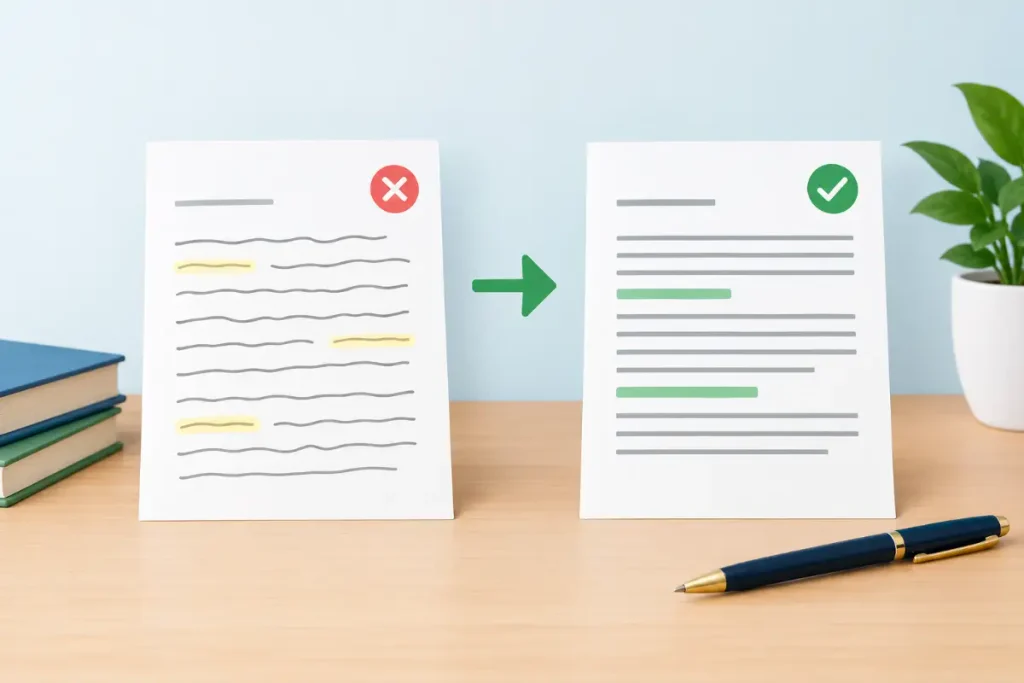
How To Make Your Writing More Precise
One of the best ways to use this word well is to explain the reason behind the naivety.
Instead of writing:
He was naive.
You can write:
He was naive about the cost of starting a business.
That gives the reader useful information.
Or:
She was naive enough to believe that everyone she met was honest.
Now the reader knows exactly what made her naive.
You can also write:
His naive assumption was that the project would require no extra funding.
That tells us the specific mistake.
Good writing often replaces vague labels with clear details.
The word naive is useful but it becomes stronger when you explain what the person misunderstood.
A Quick Editing Check
If you are proofreading your work and see nieve ask yourself what you mean.
If you mean the adjective describing someone with limited experience or judgment change it to naive.
Then check the sentence around it.
Ask yourself three simple questions.
- Does the word describe a person or idea that lacks experience.
- Does the sentence suggest too much trust or an unrealistic assumption.
- Does the word fit the tone of the sentence.
If the answer is yes then naive may be the right choice.
FAQs
Is naive or nieve the correct spelling?
Naive is the correct English spelling. Naïve is also correct and uses a diaeresis over the i. Nieve is not the standard English spelling of the adjective.
Is naïve the same word as naive?
Yes. Naïve and naive have the same meaning and pronunciation. The version with the two dots keeps the French style of the spelling while the plain form is very common in English.
What does naive mean?
Naive describes someone who lacks experience or judgment and tends to believe things too easily. It can also describe an idea or approach that is too simple or unrealistic.
How do you pronounce naive?
In US English the word is pronounced /naɪˈiːv/. A simple way to remember the sound is close to nye eve.
Is naive a negative word?
It can be negative when it suggests poor judgment or unrealistic trust. It can also have a softer or positive meaning when it describes someone as innocent simple or free from cynicism. Context determines the tone.
Is naive the same as gullible?
Not exactly. A gullible person is easy to trick or deceive. A naive person lacks experience and may trust people or situations too easily. The meanings overlap but they are not identical.
Is naive the same as inexperienced?
No. Inexperienced means someone has not had much practice or exposure to something. Naive can suggest that the lack of experience has led to unrealistic expectations or too much trust.
Can naive describe an idea?
Yes. You can describe an assumption belief plan question approach or view as naive. In that use the word usually means that the idea is too simple or does not show enough understanding of the situation.
Conclusion
If you came here wondering about naive or nieve the answer is simple. Use naive in standard English. Naïve is also correct and means exactly the same thing. Nieve is not the standard English spelling of this adjective.
The word usually describes someone who lacks experience and trusts too easily. It can also describe an idea that is too simple or unrealistic. The tone can be negative neutral or even positive depending on the context.
Remember the spelling by focusing on the middle of the word. Naive uses ai. If you are writing an email essay report or everyday message the plain spelling naive is a safe choice.
The next time you stop and wonder about naive or nieve choose naive. Keep naïve in mind as an accepted alternative. That small spelling check will keep your writing clear and correct.

Dr. Arthur Pendelton is a veteran historical linguist and grammar expert with over 30 years of experience in academic editing. A retired professor, Arthur specializes in the etymology and evolution of the English language. He is passionate about “unpacking the history behind the rules,” helping readers understand why we spell, punctuate, and phrase things the way we do today. Whether he’s settling debates on archaic usage or explaining complex linguistic shifts, Dr. Pendelton brings scholarly precision to every article.